FMCG Market Research
Research built for India's fastest-moving, most fragmented consumer category.

FMCG market research is the study of consumer purchase behaviour, brand preference and retail performance for fast-moving consumer goods products bought frequently and at low cost, such as food, beverages, personal care and home care items. Because purchase decisions happen quickly and often at the shelf, FMCG research relies heavily on retail audits, pack and concept testing, and large-scale consumer tracking across both urban and rural markets. FieldNet Global has delivered FMCG research across India and 50+ countries since 2004.
5M+
Interviews Conducted
50+
Countries Covered
150+
Years Collective Team Experience
ISO
Certified Process







TRUSTED BY LEADING CLIENTS
Helping industries make better decisions through our FMCG expertise.
Why FMCG Research Is Different From Other Industries
FMCG is unlike almost any other category researchers work in. Decisions are fast, low-involvement and made at the shelf, but the competitive set is enormous and a one-rupee price difference or a missing SKU at a single store can move market share. That combination creates a specific set of research challenges:
- High purchase frequency means small shifts in behaviour matter, and need to be tracked continuously, not once a year
- A massive rural-urban consumption gap, where preferences, price sensitivity and even language differ sharply by geography
- Channel complexity general trade, modern trade, quick commerce and e-commerce all behave differently and need separate measurement
- Short innovation cycles, with new launches and reformulations constantly needing concept and pack validation
- Intense price sensitivity across income segments, where small changes affect purchase intent significantly
- Distribution and shelf presence directly affecting sales, in a way that's invisible from a desk
A generic research approach misses most of this. FMCG research needs to combine consumer-level insight with what's actually happening on the shelf.
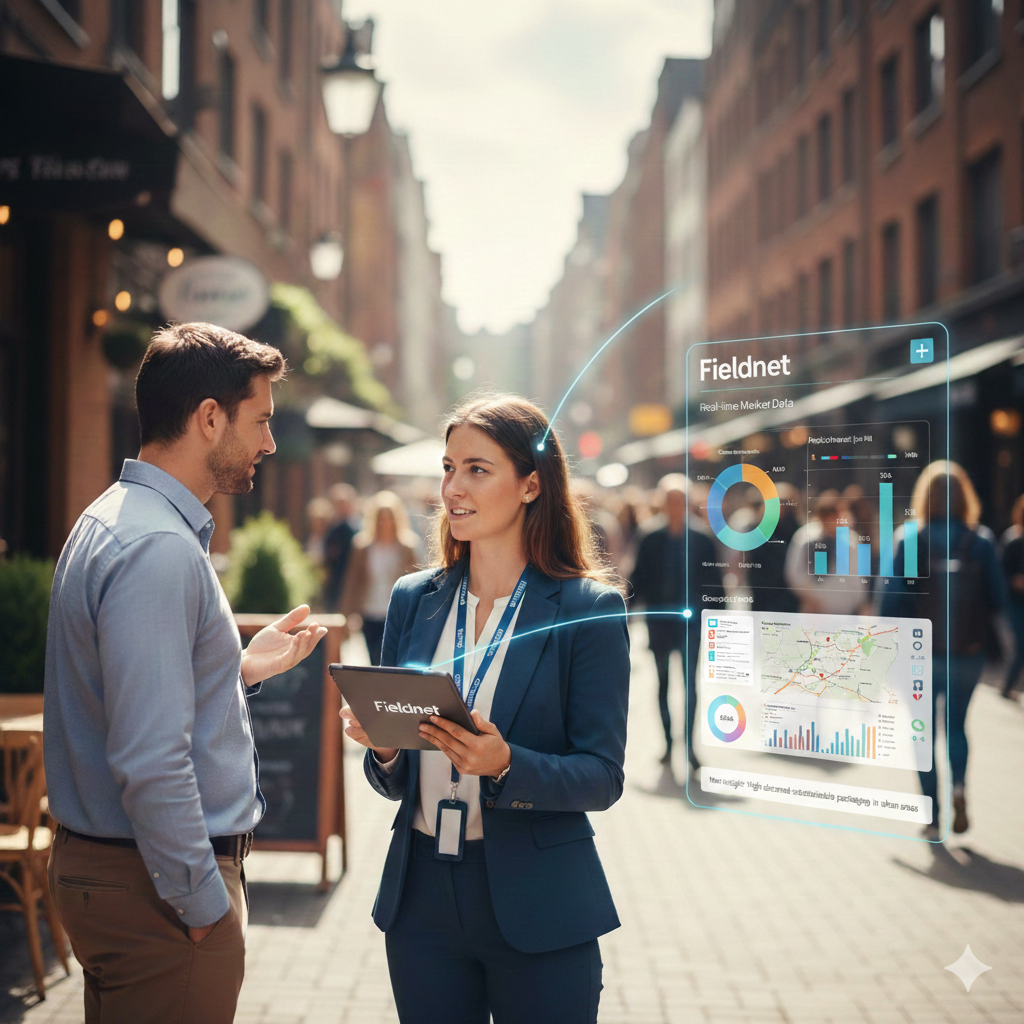
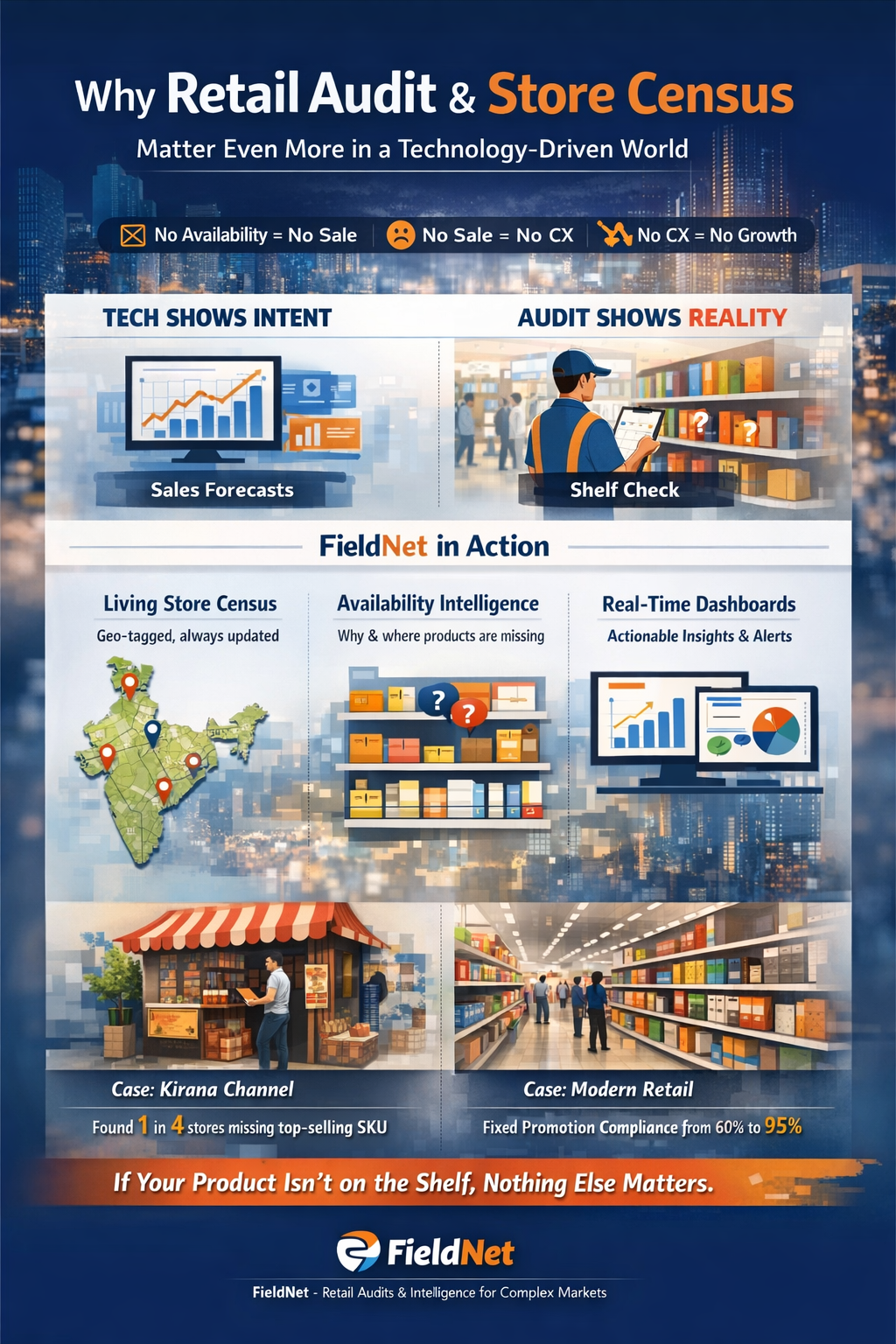
Why FMCG Research Is Different From Other Industries
FMCG is unlike almost any other category researchers work in. Decisions are fast, low-involvement and made at the shelf, but the competitive set is enormous and a one-rupee price difference or a missing SKU at a single store can move market share. That combination creates a specific set of research challenges:
- High purchase frequency means small shifts in behaviour matter, and need to be tracked continuously, not once a year
- A massive rural-urban consumption gap, where preferences, price sensitivity and even language differ sharply by geography
- Channel complexity general trade, modern trade, quick commerce and e-commerce all behave differently and need separate measurement
- Short innovation cycles, with new launches and reformulations constantly needing concept and pack validation
- Intense price sensitivity across income segments, where small changes affect purchase intent significantly
- Distribution and shelf presence directly affecting sales, in a way that's invisible from a desk
A generic research approach misses most of this. FMCG research needs to combine consumer-level insight with what's actually happening on the shelf.
Research Solutions for FMCG Brands
Consumer Behaviour & Usage and Attitude Research
Understand what drives purchase, repeat-purchase and brand switching at the category level.
Product and Concept Testing
Validate new launches, reformulations and pack designs through CLTs and in-home testing before they hit shelves.
Brand Health Tracking
Track awareness, consideration and preference wave over wave, benchmarked against named competitors.
Retail Audits and Shop Census
Map shelf share, merchandising and distribution on the ground, store by store.
Mystery Shopping
Evaluate the in-store and trade experience your brand actually delivers, versus what's planned.
Competitor Intelligence
Track competitor pricing, promotions and retail presence directly from the field.
Customer Segmentation
Build segments based on real consumption behaviour, not just demographics.
B2B Channel and Distributor Research
Understand how your distributors and retail partners actually experience working with you.
What Makes Our FMCG Research Different
FMCG research lives or dies on reach and field execution. This is where most of it actually happens:
- Multilingual fieldwork across major Indian regional languages, essential for genuine rural and semi-urban reach
- Sample coverage extending well beyond metro cities into Tier 2, Tier 3 and rural markets
- Measurement across general trade, modern trade and quick commerce as distinct channels, not a single blended number
- Large-scale CATI, mobile survey and CAPI infrastructure built for high-volume consumer tracking
- On-ground retail audit teams covering shelf share, pricing and merchandising compliance
- ISO-certified quality control across every wave and every market
Related Resources
India's Top 40 IT Hardware and Services Companies
This is about India's Top 40 IT Hardware and Services Companies
Top 50 Food Products Companies India 2025
it's about top 50 food products companies in India 2025
India's Top 20 Women Personal Products Companies
This is about India's Top 20 Women Personal Products Companies
What Makes Our FMCG Research Different
FMCG research lives or dies on reach and field execution. This is where most of it actually happens:
- Multilingual fieldwork across major Indian regional languages, essential for genuine rural and semi-urban reach
- Sample coverage extending well beyond metro cities into Tier 2, Tier 3 and rural markets
- Measurement across general trade, modern trade and quick commerce as distinct channels, not a single blended number
- Large-scale CATI, mobile survey and CAPI infrastructure built for high-volume consumer tracking
- On-ground retail audit teams covering shelf share, pricing and merchandising compliance
- ISO-certified quality control across every wave and every market
Related Resources
India's Top 40 IT Hardware and Services Companies
This is about India's Top 40 IT Hardware and Services Companies
Top 50 Food Products Companies India 2025
it's about top 50 food products companies in India 2025
India's Top 20 Women Personal Products Companies
This is about India's Top 20 Women Personal Products Companies
FMCG Categories We Work In

- Packaged Foods and Snacks
- Beverages Alcoholic and Non-Alcoholic
- Personal Care and Beauty
- Home Care and Cleaning Products
- Dairy and Fresh Produce
- Paints and Home Improvement Products
FMCG Categories We Work In
- Packaged Foods and Snacks
- Beverages Alcoholic and Non-Alcoholic
- Personal Care and Beauty
- Home Care and Cleaning Products
- Dairy and Fresh Produce
- Paints and Home Improvement Products
Why FMCG Brands Choose FieldNet Global
Our team has worked with some of the most recognised names in FMCG and consumer goods, including Hindustan Unilever, Procter & Gamble, Coca-Cola, Godrej, ITC and McDonald's across categories where shelf-level execution and consumer nuance both matter.
- Established in 2004, with leadership experience from AC Nielsen, IMRB and Ipsos
- Strong field depth across India's urban, semi-urban and rural markets
- ISO-certified research process, built for category leaders who need defensible data
- One team covering consumer research, retail audits and competitor intelligence — instead of stitching together multiple vendors
Related Case Studies
Market Potential Assessment for a Pharma Major
A multi-country assessment of healthcare professional preferences for HBsAG sensitivity and HCV testing solutions in emerging markets.
Shop Census for a Leading FMCG Firm
A full retail census across Mumbai to map branded and unbranded wafer outlets for better merchandising and expansion planning.
Why FMCG Brands Choose FieldNet Global
Our team has worked with some of the most recognised names in FMCG and consumer goods, including Hindustan Unilever, Procter & Gamble, Coca-Cola, Godrej, ITC and McDonald's across categories where shelf-level execution and consumer nuance both matter.
- Established in 2004, with leadership experience from AC Nielsen, IMRB and Ipsos
- Strong field depth across India's urban, semi-urban and rural markets
- ISO-certified research process, built for category leaders who need defensible data
- One team covering consumer research, retail audits and competitor intelligence — instead of stitching together multiple vendors
Related Case Studies
Market Potential Assessment for a Pharma Major
A multi-country assessment of healthcare professional preferences for HBsAG sensitivity and HCV testing solutions in emerging markets.
Shop Census for a Leading FMCG Firm
A full retail census across Mumbai to map branded and unbranded wafer outlets for better merchandising and expansion planning.
Ready To Collaborate?
Ready to Understand Your FMCG Market in Full?
Whether it's a new product launch, a brand health check, or understanding what's happening at the shelf, let's design an FMCG research program around what you actually need to decide.
Frequently Asked Questions
Find answers to the most common questions about FMCG.